Core Technologies
The foundation of AIC systems
AIC heating systems are built on proprietary thermal technologies developed and manufactured in-house. From fire-tube heat exchangers to stainless steel processing, each component is engineered to ensure stable performance, long service life, and low operational risk.
All technologies are developed within AIC’s R&D and European production facilities, ensuring consistent quality, high seasonal efficiency, and compliance with demanding standards across residential, commercial, and industrial applications.

Fire-tube heat exchangers -
High efficiency with stable operation
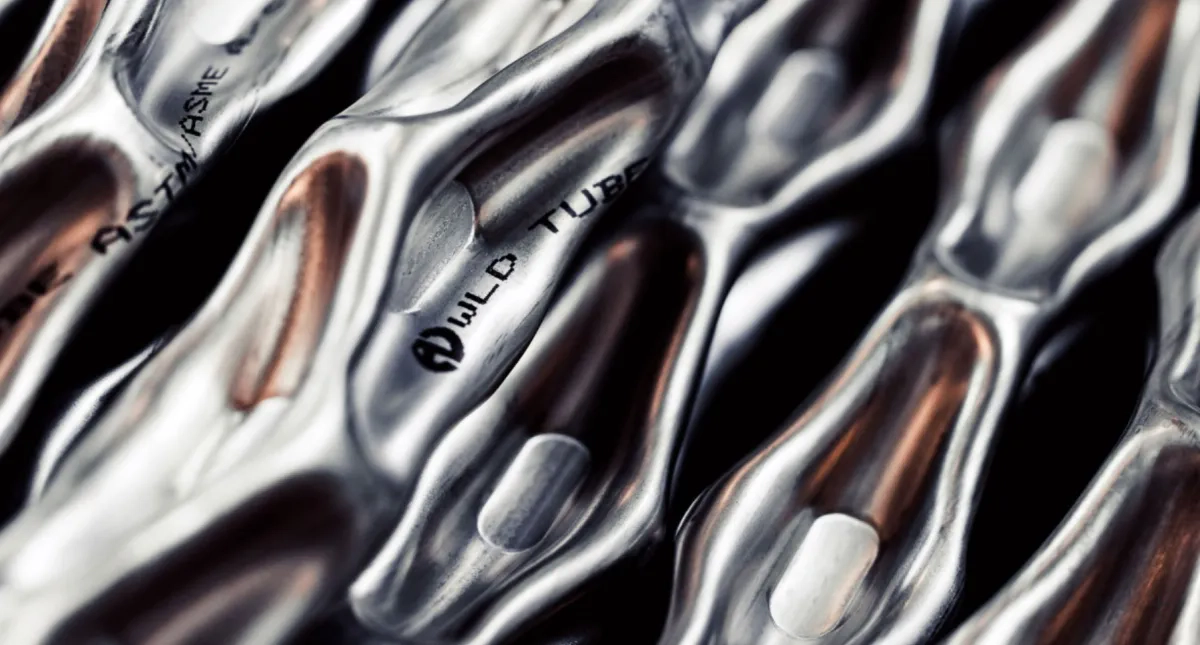
AIC fire-tube heat exchangers are designed and manufactured entirely in-house — from tube forming to certified pressure vessel assembly.
Laser-welded stainless steel tubes and optimised geometry ensure efficient heat transfer with low pressure drop. Designs are validated using CFD and FEM simulations and tested in combustion and pressure laboratories.
The result is stable performance under condensing conditions and reliable long-term operation.
Why fire-tube technology?
- stable operation even with variable water and gas quality
- reduced fouling thanks to vertical down-firing design
- low pressure drop and high seasonal efficiency
- compliance with PED and ASME standards
Stainless steel technology -
durability by design
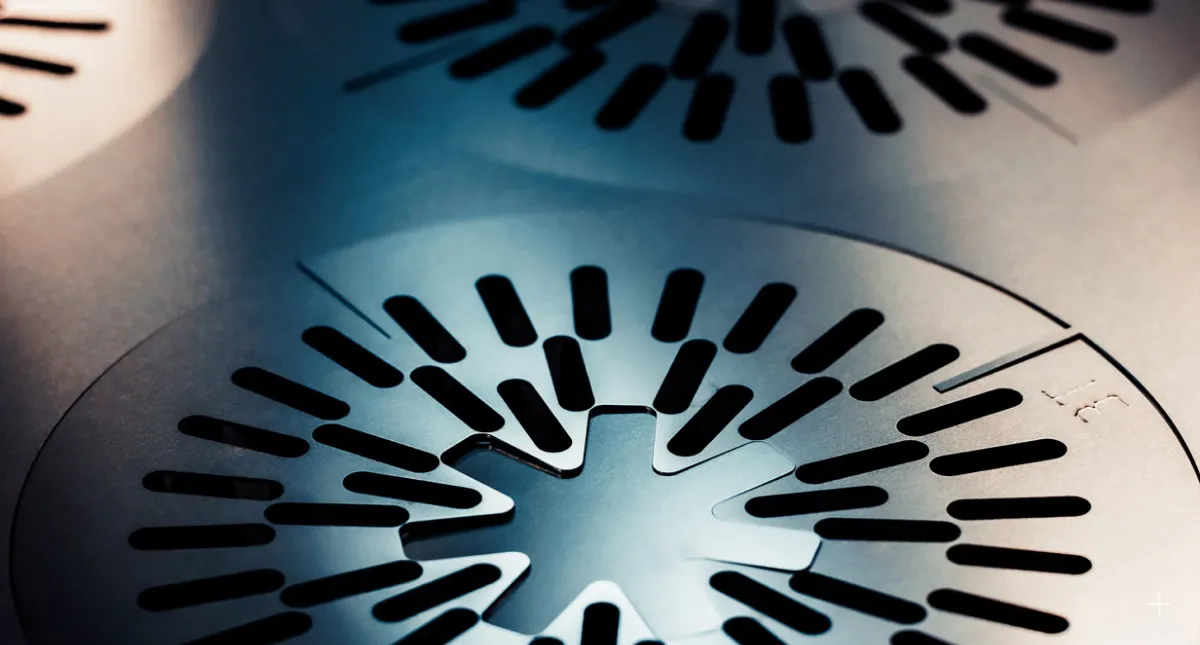
AIC systems are based on stainless steel components designed for long service life and resistance to demanding operating conditions.
Material selection, forming, welding, and surface treatment processes are fully controlled in-house. This ensures corrosion resistance, mechanical stability, and consistent product quality.
Stainless steel also supports hygienic operation and long-term reliability, especially in applications with variable water quality.
Why stainless steel?
- high corrosion resistance in demanding water conditions
- long service life with stable performance over time
- smooth surface limiting fouling and scale formation
- suitable for variable operating conditions (temperature, load)
- reduced maintenance requirements
- hygienic and safe for domestic hot water applications
- fully recyclable material supporting sustainability targets